Beauty industry & consumer trends.
Six shifts in how consumers approach skin — from makeup to skincare, from hype to efficacy, from fillers to skin longevity — and why they converge on a doctor-led, diagnostics-first proposition. Click any trend to go deeper.
“Flawless skin is the most universally desired human feature”
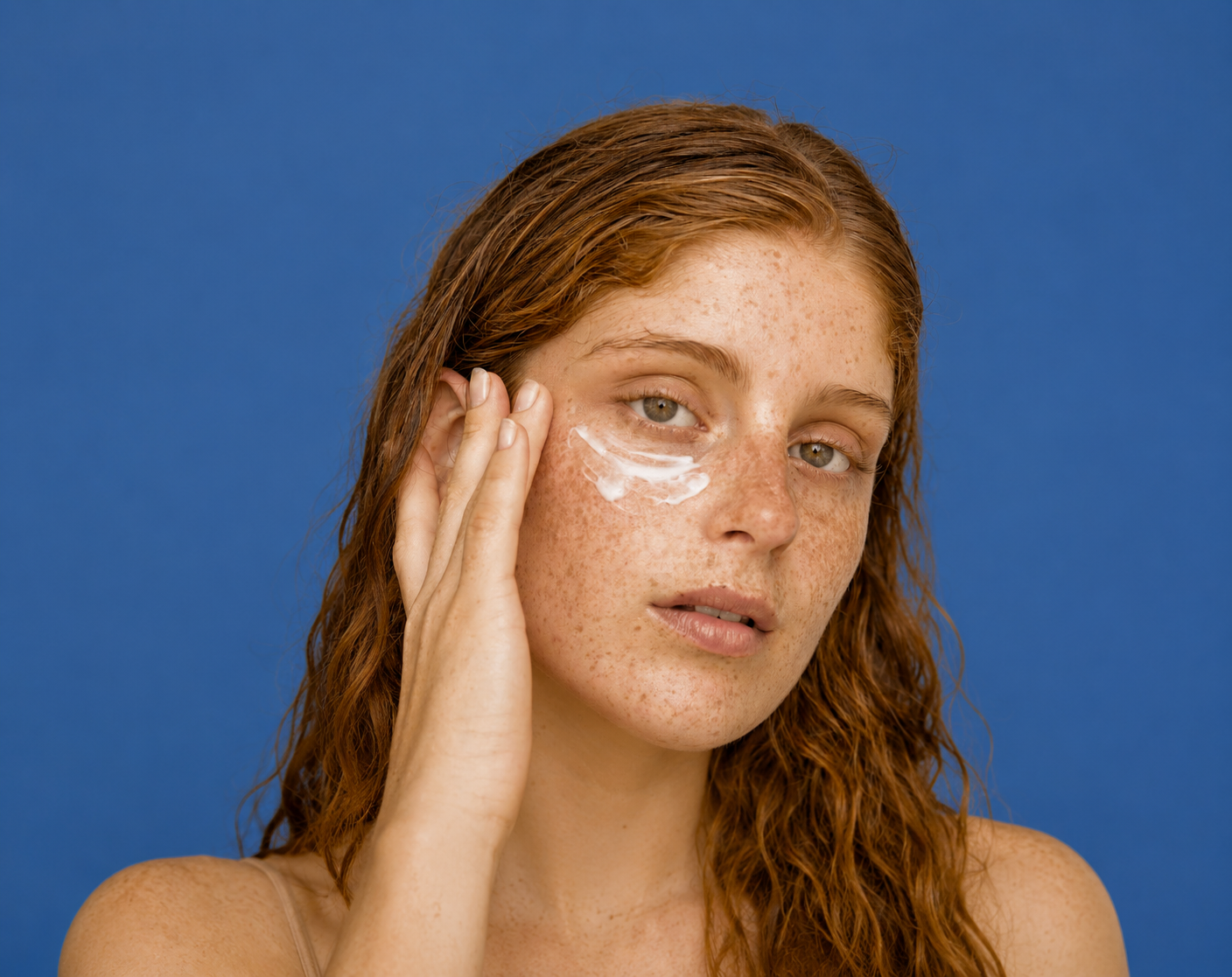
From covering up skin to taking care of it
Pursuing the dream of a flawless complexion, consumers are wearing less makeup and investing in real skin quality instead.
Deep dive →
Performance & efficacy are now the main purchasing drivers
Educated, opinionated consumers buy what demonstrably works — derma brands outpace prestige and mass.
Deep dive →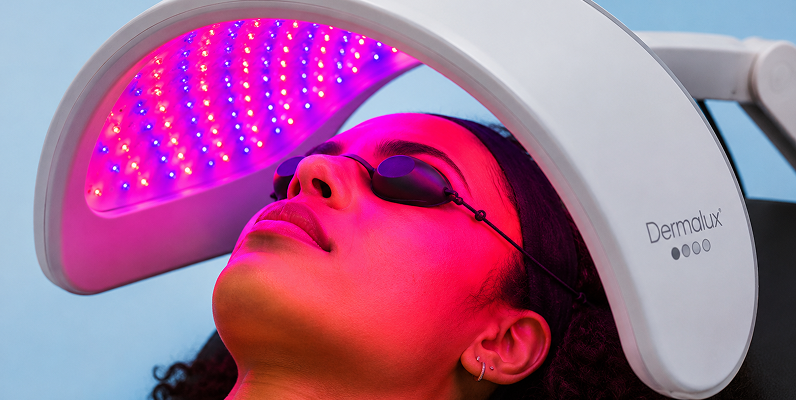
More wallet to beauty services — but demanding branded propositions
Services take a growing share of spend, and consumers want branded, USP-led propositions they can trust.
Deep dive →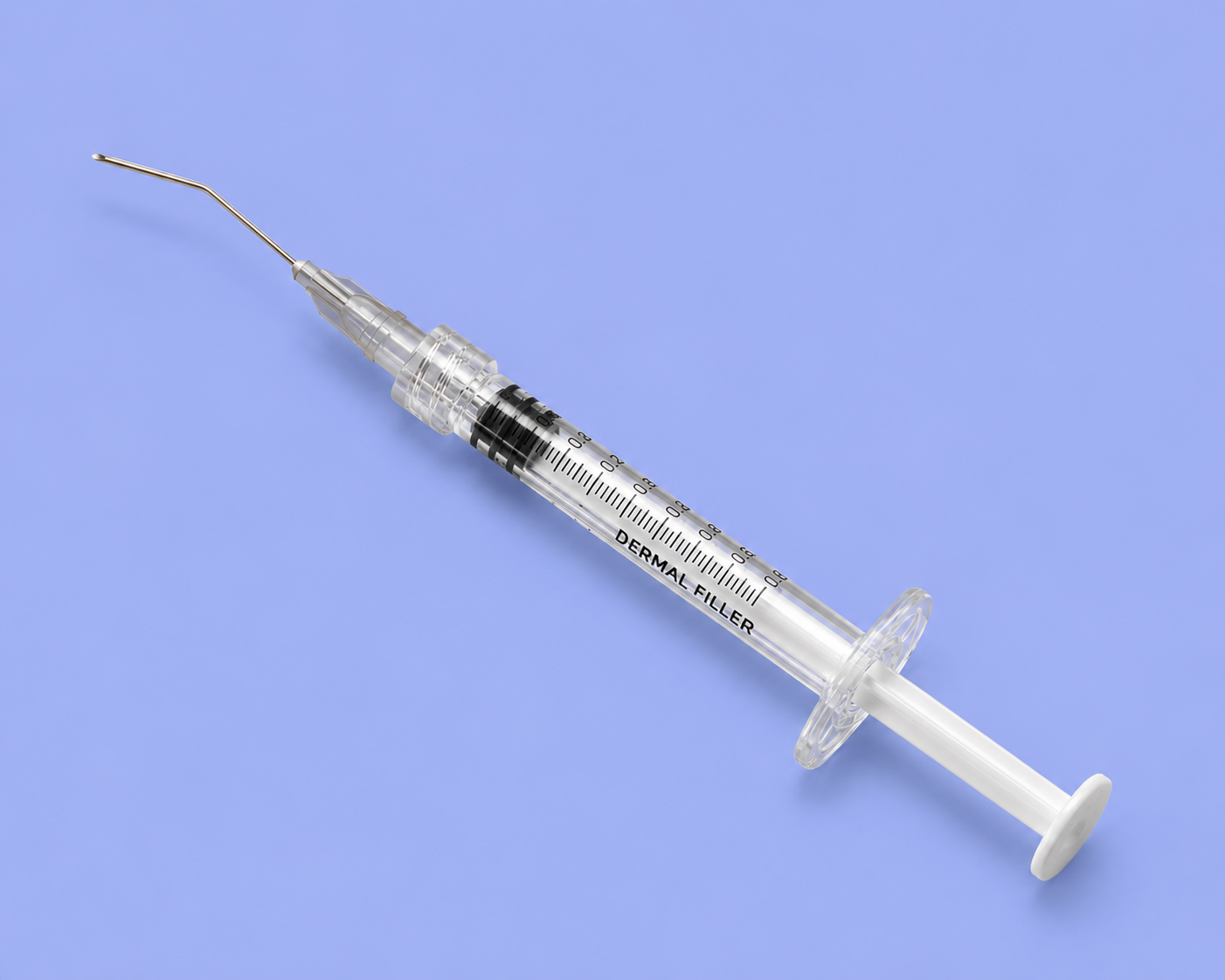
Cosmetic medicine at a turning point: “filler fatigue”
The backlash against volumisation reveals a preference for skin longevity and preventative, regenerative approaches.
Deep dive →
Access to dermatologists in the UK is very limited
Long waits and NHS constraints delay treatment — so consumers still default to topical beauty products.
Deep dive →
Growing preference for dermatological expertise — and private Rx
UK consumers increasingly opt for private prescription pathways to safely and effectively improve skin health.
Deep dive →As consumers continue pursuing the dream of flawless complexion, they have shifted from covering up their skin to taking care of it
Consumers — in the UK especially — are wearing less makeup than before the pandemic, accelerating a shift to self-care via skincare. Demand has moved to real improvements in skin quality rather than cosmetic camouflage; even when makeup is applied, the preference is a “clean look” where a healthy skin canvas delivers the flawless effect.
The pandemic accelerated an ongoing decrease in makeup usage
Limited social occasions gave women the self-confidence to go makeup-free. The attitude has persisted: 2024–25 marked the end of the “lipstick effect” — colour cosmetics are no longer the anti-cyclical small luxury of choice.
For those still choosing coverage, the “clean girl” is the dominant look
Since 2020 the dominant look — glowing skin, fluffy brows, faded freckles — ended the high-glamour era, enabled by more elegant, long-lasting formulations.
Experts expect the next era of makeup to add two categories altogether: skin prep and complexion setting, with applicator and packaging innovation designed for natural looks.
“I don’t think we’ll go back to doing makeup the way we did before. We care too much about skincare now.”
Consumer interest and spend has progressively shifted from makeup towards skincare
The new self-care is the new self-reward — and in beauty it is ever more linked to skincare. Brands like Merit, Haus Labs and Refy popularised skincare-infused makeup (wrinkle-smoothing foundations), blurring the line.
Source: Business of Fashion — State of Beauty report · Kantar 2022 Global Beauty Study · Google Trends.
As consumers become more educated and opinionated about skincare, performance and efficacy are becoming the main purchasing drivers
Consumers are sceptical of traditional topical claims and repetitive marketing around the same few actives. The fastest-growing category is medical-backed, clinically proven skincare — and consumers trade down to mass unless convinced of higher efficacy at higher price points.
Perception of efficacy is the key purchasing driver — and loyalty
“Proven effectiveness” is the top factor when buying skincare; “products that work” outrank price, natural claims, retailer and brand heritage.
Derma brands are perceived as most efficacious — outpacing prestige and mass
Brands invested heavily in educating a generation of “skintellectuals”. Through the pandemic, demand shifted to ingredient-based, science-backed formulas over packaging and storytelling.
The dermo-cosmetics segment has grown at roughly double the rate of the rest of skincare — around 15%.
Consumers trade down to mass if they don’t perceive higher efficacy in prestige
Mass + masstige share of global beauty retail rose 5p.p. 2019–24 as challengers adopted prestige codes (popular ingredients, scientific claims) via contract manufacturing. K-beauty — high-efficacy at accessible prices — keeps building trust in mass.
Source: Mintel (Market.us Media) · McKinsey · J.P. Morgan analyst reports · Euromonitor · Business of Fashion · proprietary customer survey of beauty consumers · Accenture Beauty consumer study · NextAtlas.
Consumers are allocating more wallet to beauty services — but they are more demanding, looking for compelling “branded” propositions
Wellness has become a daily, holistic practice — spending on beauty and wellness services is part of the lifestyle, not an occasional indulgence. The winners will be branded, USP-led propositions with the scale to deliver seamless experiences.
Beauty services increasingly gaining traction — especially Gen Z
Millennials and Gen Z treat wellness as daily practice, driving demand for preventive skin-longevity services (LED-therapy facials, lymphatic drainage) beyond everyday home skincare.
Services taking an increasing share of wallet
As consumers get educated on skin science — and sceptical of hype — they value expertise, personalised treatments and professional results over product claims.
Of the 45% expecting to spend more on facial services, 46% expect more frequent treatments in future.
Consumers are looking for service propositions with a USP
Non-invasive services complement rather than compete with cosmetic medicine; consumers approach skin wholistically across multiple providers.
The market remains very fragmented. Branded multi-site facial propositions are consolidating the US (Skin Laundry, Heyday, Glowbar) — far less so the UK (FaceGym) — and younger consumers will flock to branded offerings with seamless booking, app integration and membership.
Source: Business of Fashion — State of Beauty report · proprietary customer survey · McKinsey Beauty Consumer Survey 2025 · Euromonitor · NBJ · Clarivate · Global Wellness Institute.
Consumer attitude towards cosmetic medicine is at a turning point, with “filler fatigue” revealing a preference for skin longevity and preventative approaches
Injectables keep growing — but the growth is rotating away from volumisation towards biostimulation, skin quality and regenerative medicine.
Injectables remain fast-growing, driven by fence-sitters converting into users
A widespread shift in aesthetics and self-image drives the industry; acceptance of non-invasive treatments keeps broadening the funnel.
A tilting point driven by filler fatigue and desire for a new approach
Hyaluronic-acid fillers face a public backlash; social-media users are moving from the static “Instagram face” to the more dynamic “TikTok face” (AAFPRS).
- “Is Everyone Abandoning Their Facial Filler?”
Allure · March 2023 - “The great dissolving”
InStyle · May 2025 - “Are we entering the anti-filler era?”
Vogue · October 2024
Consumers are shifting towards skin longevity and regenerative treatments
From volumisation to biostimulation: Sculptra, Radiesse and HarmonyCa stimulate collagen and elastin; skin boosters (low-concentration HA, polynucleotides) target texture, hydration and radiance without altering shape.
Growth in fat grafting, regenerative medicine and skin tightening — partly driven by GLP-1 “Ozempic face”.
Source: McKinsey consumer aesthetic survey · Allergan Global Trend Report · American Academy of Facial Plastic and Reconstructive Surgery · Vogue, InStyle, Allure · BoF State of Beauty · Grand View Research · American MedSpa Association.
Access to dermatologists in the UK is very limited, delaying treatment of skin conditions — and explaining why consumers still opt for topical beauty products
The UK has one of the lowest levels of access to dermatology services in Europe — a structural gap between what consumers need for skin health and what the system can deliver.
The UK has one of the lowest accesses to dermatology in Europe
Dermatologists account for 10–25% of aesthetic-medicine share globally and command the highest loyalty. Italy, France, Germany and Spain have an estimated 2–4× the dermatologists per million of the UK.
~40% of European dermatologists work in hospital vs private practice; in the UK more than 80% work for the NHS.
An estimated 8m people in the UK live with a long-term skin condition
60% of British people currently suffer — or have suffered — from a skin condition. Many end up living with them without proper care; access is even scarcer for skin quality vs critical conditions.
Most GP skin cases could be managed with proper training
Mild acne, eczema and fungal infections are effectively managed by GPs — but with typically just two weeks of dermatology training, GPs err on the side of caution, inflating referral volumes that could be handled in primary care.
Source: IPSOS market research · McKinsey Global Consumer Aesthetics Survey · European Dermatology Health Care Survey · British Skin Foundation · BAD workforce census · ONS · European Journal of the Academy of Dermatology and Venereology.
There is a clear growing preference for dermatological expertise; UK consumers are opting for private Rx to effectively and safely improve skin health & quality
Unmet NHS demand is creating a new private prescription-skincare market: consumers willingly enter clinician-led prescription pathways outside traditional healthcare — paying for timely, effective solutions as a practical substitute, not a discretionary luxury.
Unmet NHS demand is creating a new private Rx skincare market
Dermatology is one of the most capacity-constrained outpatient specialties; common but impactful conditions (acne, rosacea, hyperpigmentation, chronic inflammation) are deprioritised. Consumers self-route into private digital prescription pathways for faster assessment and targeted treatment.
Preference for dermatologist-recommended products has risen steadily across Europe since 2012 (IPSOS) — with the UK catching up fast.
Case study — Curology (US): paving the way for digital Rx skincare
Clinician-prescribed, customised formulations (tretinoin, azelaic acid, clindamycin) via an entirely digital consultation pathway. By reframing prescription dermatology as an accessible subscription service, Curology lowered the psychological and logistical barriers to Rx — its rapid adoption and high retention prove consumers will engage with prescription pathways outside physical clinics.
Case study — Skin + Me (UK): Rx skincare as a consumer subscription
Consumers now voluntarily enter a prescription pathway without the NHS or a traditional dermatology clinic.
- Willingness to engage with Rx pathways for skin health, outside traditional healthcare settings.
- Efficacy and clinical credibility are powerful acquisition drivers — outweighing brand heritage or lifestyle marketing.
- Subscription-based, clinician-led models successfully scale access to Rx skincare, blurring the line between healthcare and beauty.
Source: IPSOS research.
© 2025 Angelo Castello · content from the SKINSTATE fundraising deck (market & consumer trends section) · no part may be reproduced without prior consent